
Beijing | Reuters — China will complete a new national crop germplasm bank this year, the agriculture minister said Wednesday, to boost the country’s capacity to develop new crop varieties and enhance food security.
The bank has a designed capacity of 1.5 million copies, almost four times the existing one, and will be the world’s largest, the minister of agriculture and rural affairs Tang Renjian said in a statement on the ministry’s website.
China’s top policymakers said last month that the country’s seed sector is vital to guaranteeing the country’s food supply, a long-standing priority that has received renewed attention since the COVID-19 pandemic.
Read Also
CBOT weekly outlook: Soybeans/corn awaiting acreage data
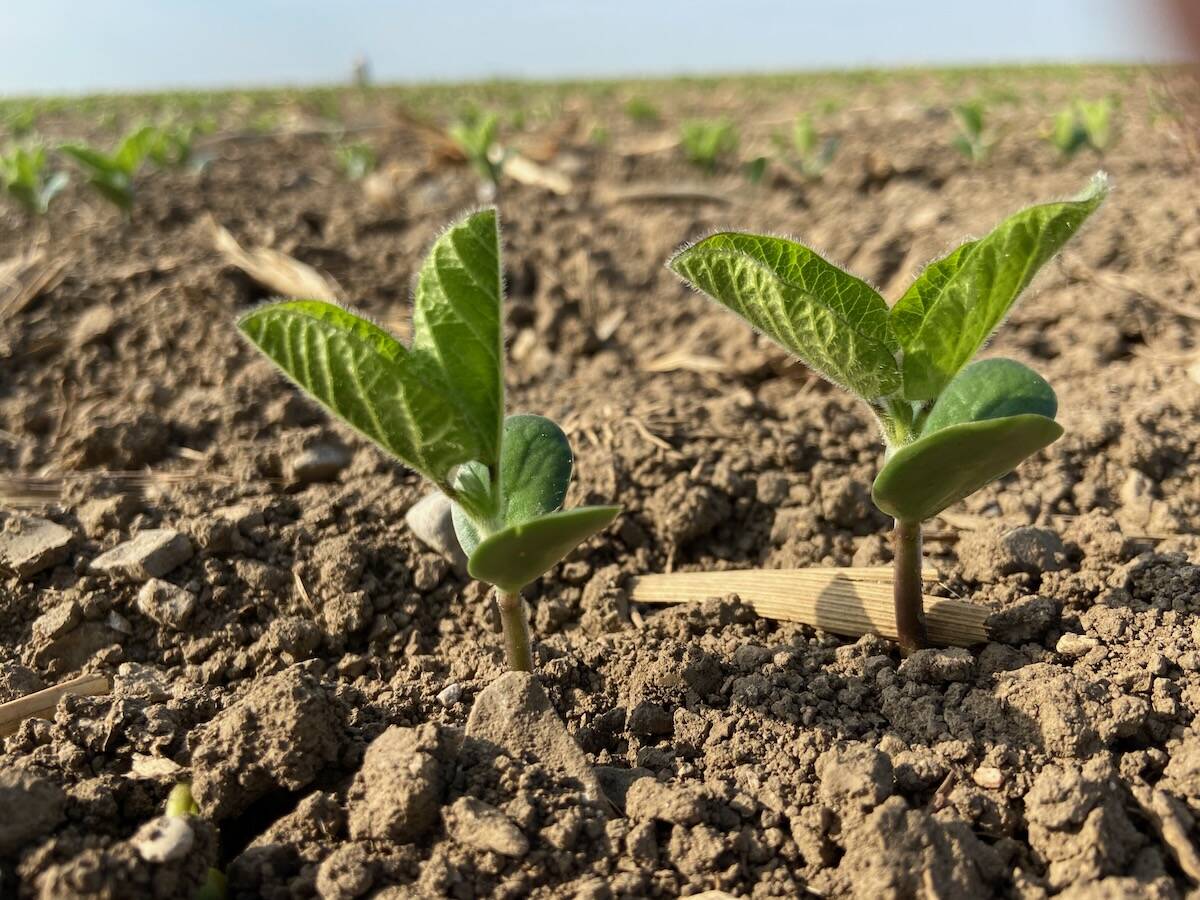
Soybean and corn futures at the Chicago Board of Trade posted some large price swings during the week ended March 25, as market participants reacted to the shifting news out of the Middle East and adjusted positions ahead of upcoming acreage data from the United States Department of Agriculture.
China’s seed sector is fragmented and its companies lack the extensive germplasm collected by major multinational crop firms.
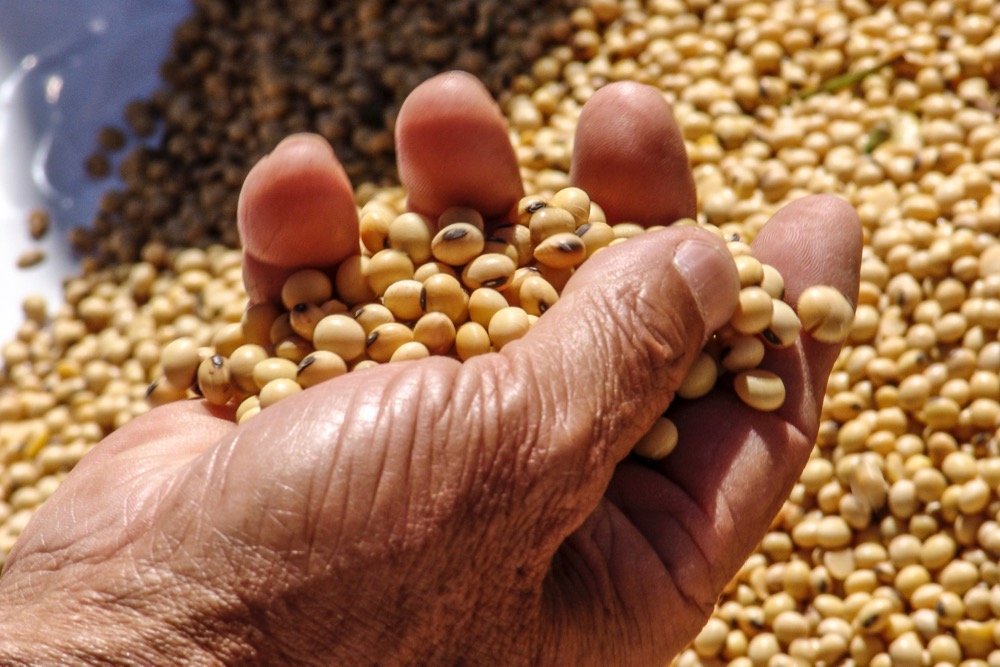
Germplasm is living genetic material, such as seeds or tissues, that are kept for breeding and research. A rich collection of germplasm allows breeders to select for more diverse traits when developing crop varieties.
China’s current seed bank cannot meet development needs, said Tang on a visit to the Chinese Academy of Agricultural Sciences in Beijing, where it is located.
“The new national crop germplasm resource bank must not only be well established, but also be used well,” he said, adding that China’s seed industry lags the innovation ability of those in developed countries.
China must ensure it maintains its competitive advantage in rice and wheat varieties, while reducing the gap with other countries in corn, soybeans, pigs and dairy cows, he added.
— Reporting for Reuters by Dominique Patton in Beijing.