
MarketsFarm – Soyoil prices at the Chicago Board of Trade (CBOT) have been tumbling of late largely due to the markets no longer being afraid of already tight global supplies becoming scarcer, according to Sean Lusk of Walsh Commercial Hedging Services in Chicago, Ill.
Lush explained that the South American soybean crop wasn’t as bountiful as hoped for, which reduced supplies, plus there were low ending stocks of palm oil in Asia. The latter was intensified when Indonesia proposed an export ban.
“That in many ways has subsided, with some of the export quotas going away, on top of a building of stocks from the primary producers globally,” he added.
Read Also

U.S. finalizes biofuel blending quotas for 2026-27, cuts RINS for foreign feedstocks
The Trump administration on Friday finalized new biofuel blending volumes mandates for the U.S. oil refiners, requiring more of the fuels made from corn and other agricultural products than initially proposed,in an apparent win for U.S. farmers.
Lusk said the continuing war in Ukraine has also raised supply issues, with the country unable to use its ports, which it heavily depends on to move exports.
“They got to rail it, which is a logistical nightmare. They got to store it in other countries. It’s very piecemeal to satisfy existing contracts let alone new ones,” he explained.
As for South America, he said their production is bouncing back and is helping to replenish global stocks.
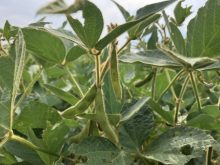
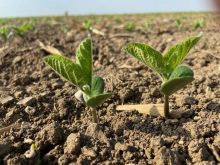
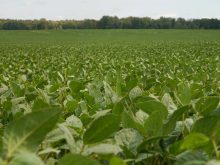
Furthermore, Lusk said it appears the United States is in line for a good soybean crop, although that remains somewhat in the air.
“Is there a chance we could rally during summer? Yah, it’s been very hot June in a lot of places without the rainfall. But crops aren’t made in June, they’re made in July and August,” Lusk stated.
Lusk suggested the USDA might have to resurvey its planted acres report as the data was compiled prior to June 1, as farmers shifted their planting intentions from corn to soybeans.