Ottawa | Reuters — Canada’s annual inflation rate fell to 1.8 per cent in February, after prices in the same period a year ago had risen sharply when the government’s sales tax relief ended, Statistics Canada said on Monday.
Excluding the effect of indirect taxes, the Consumer Price Index rose 1.9 per cent year-over-year in February, it said.
The inflation data for March will be the final month affected by the base-year effect of the sales tax break. But rising crude oil prices as a result of the Iran war are likely to change inflation expectations.
Read Also
Board appointments hint Richardson Int. may rejoin canola council
The Canola Council of Canada has appointed a Richardson International official to its board.
Economists polled by Reuters had expected inflation to fall to 1.9 per cent year-over-year in February from 2.3 per cent in January, and 0.7 per cent month-over-month compared with no change in the prior month.
On a monthly basis consumer prices rose by 0.5 per cent in February, StatsCan said.
Bank of Canada to decide rates Wednesday
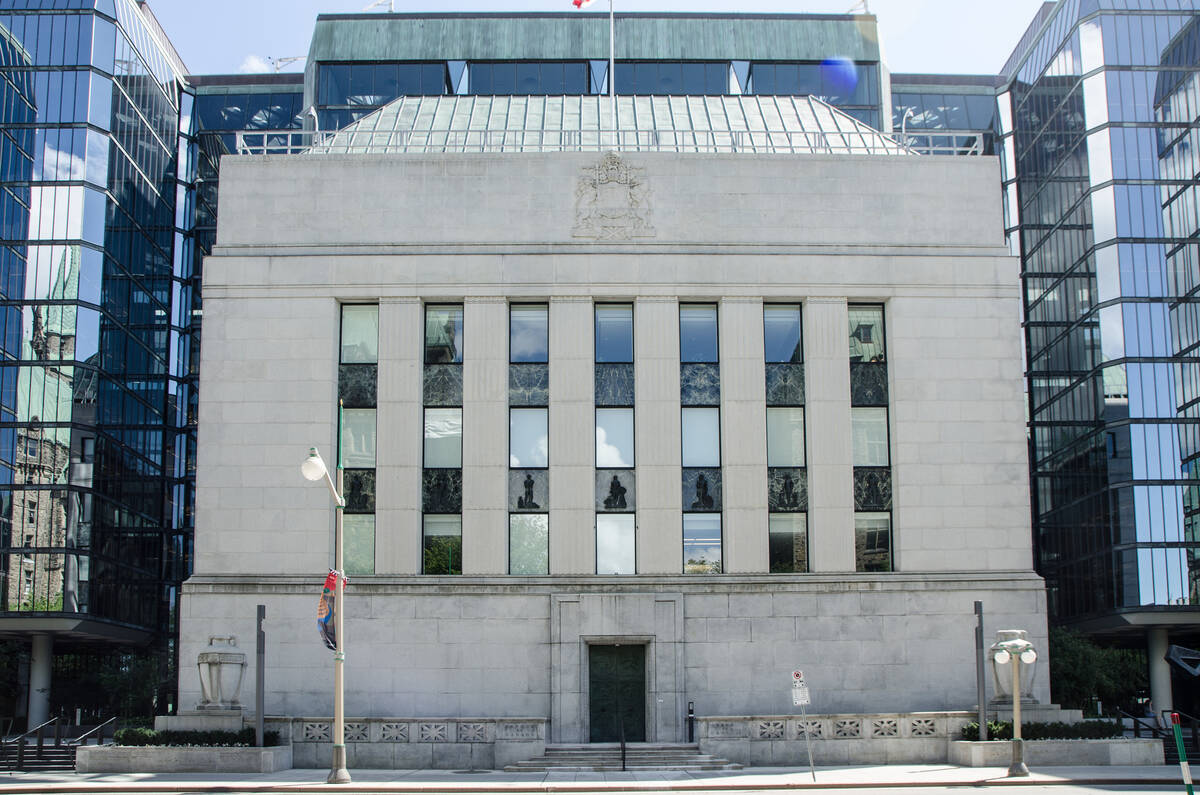
The Bank of Canada has held its key policy rate at 2.25 per cent since October, as inflation stabilized around its two per cent target within a one to three per cent control range.
The BoC will give some indication of inflationary pressures at its policy decision on Wednesday.
“The tame (CPI) report will be welcomed by policymakers ahead of the energy price shock, as it shows that labour market slack is keeping a lid on core prices, with the issue for the BoC being how long the oil price shock lasts for and its magnitude,” Katherine Judge, senior economist at CIBC Capital Markets, wrote in a note.
Food prices ongoing pain point
Despite the base year effect, food prices in February rose by 5.4 per cent on an annual basis as food purchased at restaurants increased by 7.8 per cent last month.
Food prices have remained a major pressure point for Canadian households, as grocery prices have risen faster than overall inflation due to factors like U.S. President Donald Trump’s tariffs, bad weather conditions and supply chain issues.
Grocery prices rose 4.1 per cent in February after a 4.8 per cent rise observed in January, and the statistics agency said they have risen by 30 per cent in the last five years.
Gasoline prices decelerated by 14.2 per cent in February due to the continued impact of the removal of a carbon tax on the fuel, which reduced the year-over-year price. This impact will stay until April, StatsCan said.
Shelter costs – the largest component of the CPI basket with a weight of roughly 29 per cent – rose at a slower pace of 1.5 per cent in February as mortgage costs continued to ease. Rent costs rose 3.9 per cent on an annual basis in February.
Economists and the Bank of Canada closely watch core measures of inflation to gauge underlying price pressures.
The CPI-median, the centermost component of the CPI basket, was 2.3 per cent, while CPI-trim, which excludes the most extreme price changes, was also at 2.3 per cent.
The Canadian dollar firmed and was trading up 0.28 per cent to $1.3679 against the U.S. dollar, or 73.10 U.S. cents. Yields on two-year government bonds fell 6.5 basis points to 2.731 per cent.