
The Canadian Food Inspection Agency (CFIA) reported 52 bird flu-infected sites as of Dec. 30, 2025. Of those, 23 were in British Columbia.
The CFIA also estimated that 17.21 million birds have been affected by avian influenza since December 2021.
- Alberta’s chief provincial veterinarian reported last month that a dog in the central part of the province died from bird flu in November 2025, after the animal ingested an infected snow goose. The 10-year-old goldendoodle also had an immune disease which may have contributed to its death. It was the second canine death from bird flu reported in Canada since another dog died in Ontario in 2023.
- The United States Department of Agriculture reported on Dec. 19 that a case of bird flu in a Wisconsin dairy herd marked a new spillover event from wildlife to cattle. The virus, identified as H5N1 clade 2.3.4.4b genotype D1.1., was confirmed through whole genome sequencing by the National Veterinary Services Laboratories on Dec. 17. Two other spillovers were detected in Nevada and Arizona in 2025.
- The European Food Safety Authority in its quarterly report released on Dec. 11 said that between Sept. 6 and Nov. 28, 2025, 2,896 bird flu infections were reported in 29 European countries, with 442 in poultry and 2,454 in wild birds. The number of wild birds infected reached was at its largest since 2016, while poultry infections remained steady compared to last year.
- Israel reported its first bird flu case in a year at a farm in the north of the country, reported the World Organization for Animal Health on Jan. 6. Ninety birds died in a flock of 2,000 ducks. The remaining birds were culled out of precaution.
- The WOAH also reported on Jan. 5 that 11 outbreaks were detected in the state of Kerala in southern India last month. More than 54,000 birds died from the virus, while another 30,000 birds were culled. They were the first outbreaks reported among poultry since May.
- A study published in the journal Science earlier this month found that bird flu can resist fever defences in mice, which means that unlike cold and flu viruses, bird flu could further replicate in an already infected person. However, researchers warned that while the virus could make humans sicker, it does not increase the chances of a human pandemic.
Read Also
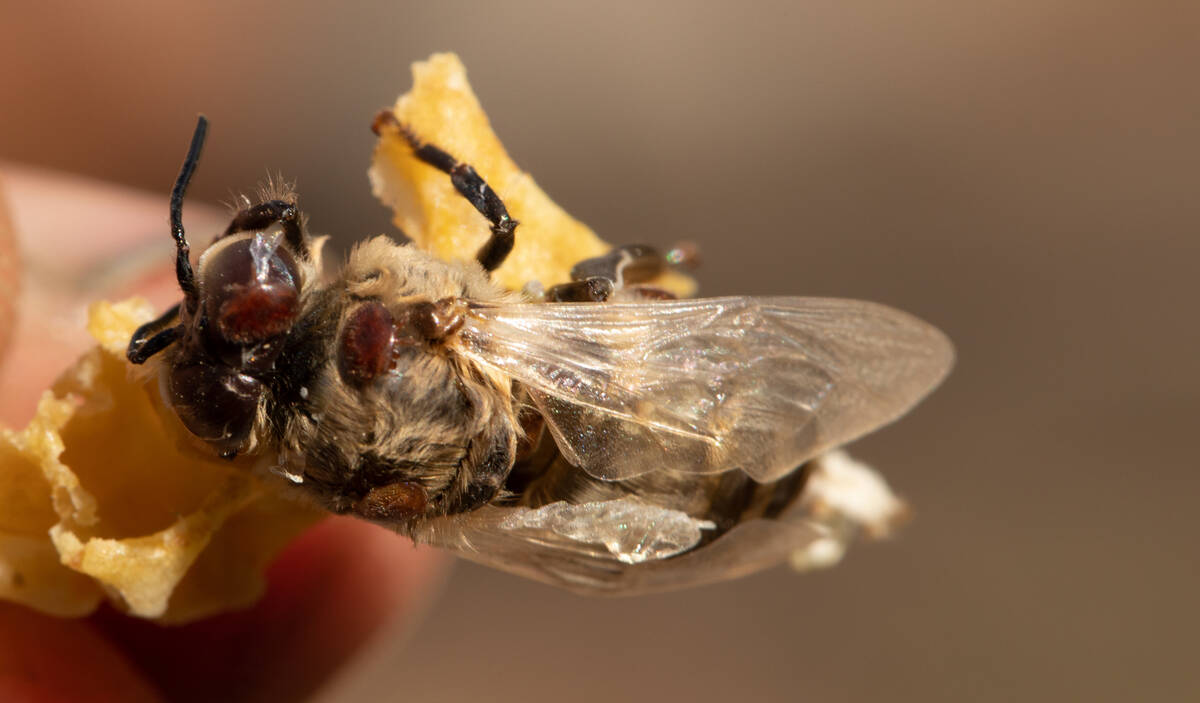
Southern California honeybees show resistance to varroa mites
Regionally-adapted honeybees in southern California show natural resistance to varroa mites, according to new research from University of California Riverside.