

WINNIPEG — The Canadian Pork Council is feeling hopeful about the agreement in principle with China around trade, despite the persistence of China’s 25 per cent tariff on pork imports from Canada.
Stephen Heckbert, Pork Council executive director, said it’s positive that Canada and China are now talking, which could mean reduced tariffs on Canadian pork in the future.
“At least we’ve started a dialogue with China. Super happy for canola producers and pulse producers that they’ve got some good news,” Heckbert said Friday morning.
Read Also
China has reduced tariffs on Canadian canola, peas, federal government confirms
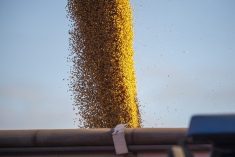
China has suspended anti-discrimination tariffs on canola meal and peas until the end of the year and reduced tariffs on canola seed, Canada’s government confirmed today.
“Nothing really for pork in this tranche of the announcement, but we weren’t expecting anything. Our expectations that we would be part of the dialogue, and I think we were, but no movement for us right now.”
On Jan. 16 in Beijing, Prime Minister Mark Carney announced that Canada and China had reached a strategic partnership on energy, agri-food and trade.
As part of the deal, Chinese tariffs on canola seeds would be reduced to 15 per cent and China would eliminate its duties on other products.
“Canada expects that Canadian canola meal, lobsters, peas and crabs will not be subjected to relevant anti-discrimination tariffs from March 1, 2026, to the end of this year,” says a Government of Canada backgrounder.
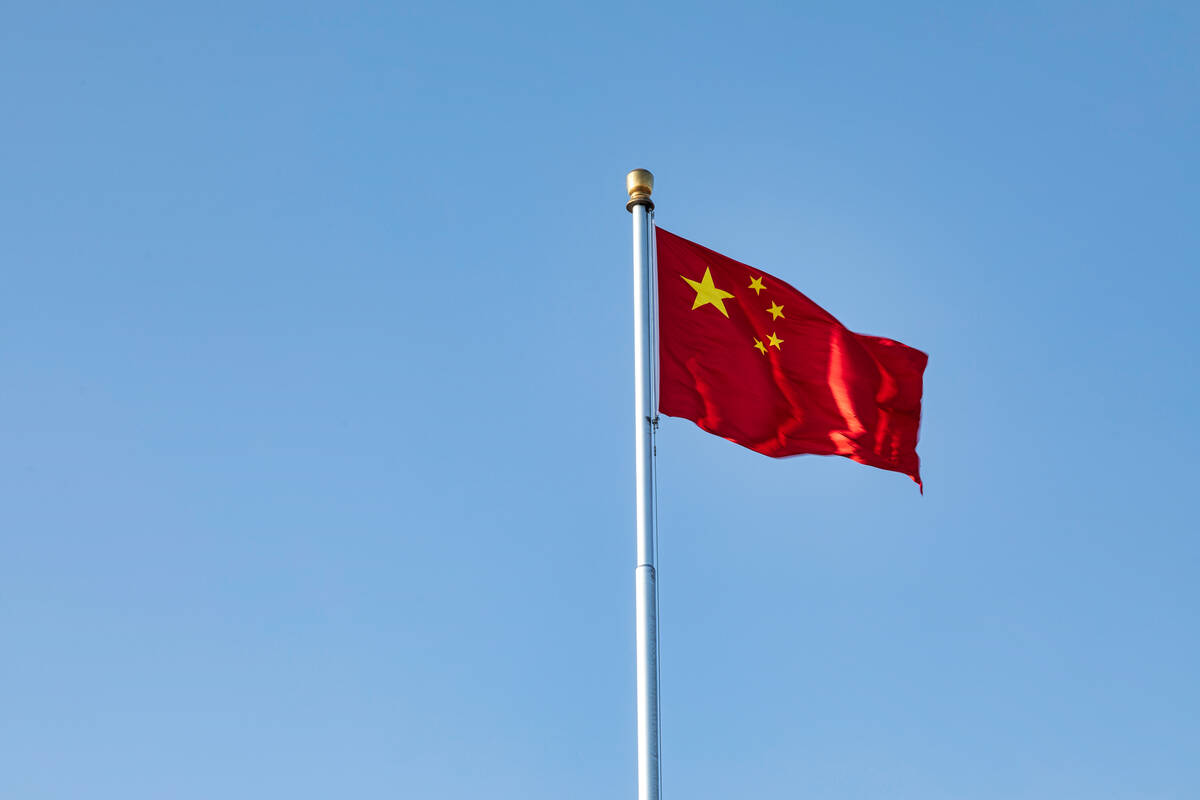
China will maintain its 25 per cent tariff on Canadian pork that was imposed in March 2025.
The tariff has reduced pork exports to China, but Canada’s pork industry is still shipping products to Chinese customers:
- From January to October of 2025, Canada sold $314 million in pork to China, using Statistics Canada data.
- That’s down 19 per cent from the same time period in 2024, when exports were $389 million.
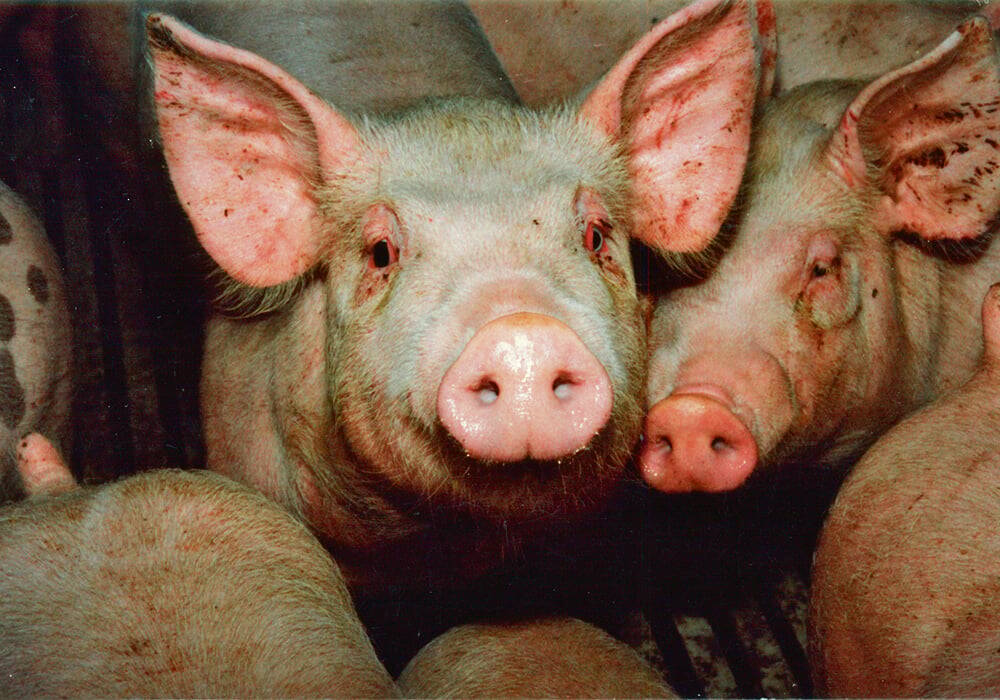
Canada exports snouts, feet, ears, organ meats and many parts of the pig to China, so it’s an important market that provides additional value for Canadian pork processors.
Darcy Fitzgerald, Alberta Pork executive director, is hopeful that Canada’s pork industry will continue to have opportunities in China.
“Things will come around on the Chinese side. It just takes time,” he said.
“What happened today is very positive. … It’s not negative because we weren’t the first ones through the door.”
Canada continues to ship pork to China and many other markets around the globe. Total exports in the first 10 months of 2025 were $4.9 billion, up from $4.6 billion in 2024.
“The 25 per cent (Chinese) tariff is painful for us. … It’s something we’ve learned to manage through,” Heckbert said.
“It’s not really a market we can replace, in some respects.”
Despite the specific challenges for pork producers, the strategic partnership between Canada and China is helpful, Heckbert said.
“Cautiously optimistic for the future. It’s good news for our producers that at least there is a new dialogue with China.”