Buenos Aires | Reuters –– Argentina will allow beef imports if the recent opening of the export market results in a domestic shortage of steaks and burgers, farm minister Ricardo Buryaile told local radio Thursday.
The country lifted restrictions on beef exports after President Mauricio Macri, elected in November on an open-markets platform, was inaugurated on Dec. 10. Permitting exports has raised worries that beef may become scarce domestically.
In the first 15 days of this year 59,924 head of cattle were sold in Argentina’s domestic market, down from 72,546 in the same 2015 period.
Read Also
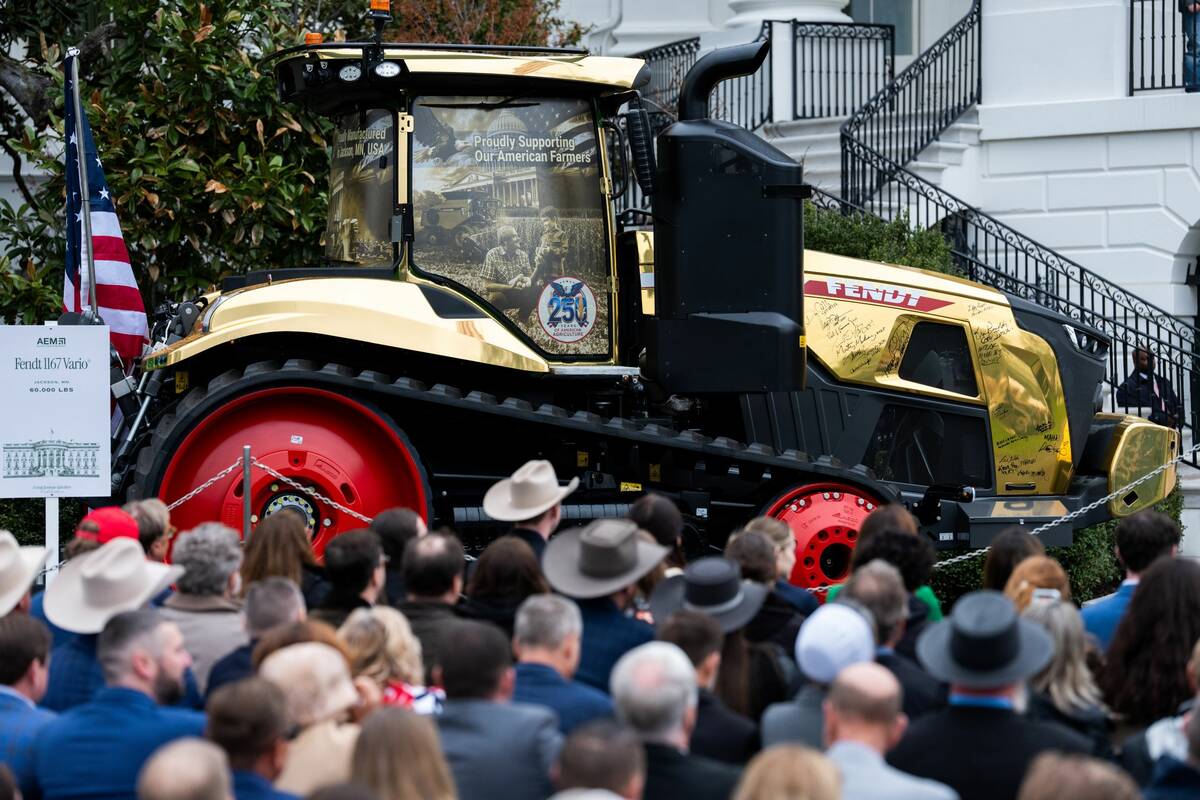
Trump tells farmers that tractor companies should lower prices
U.S. President Donald Trump announced new measures on Friday to support U.S. farmers who are reeling from the administration’s trade policies and the Iran war and suggested farm equipment makers cut prices
“We will not allow a shortage to take place,” Buryaile told local radio station Radio 10. “If someone requests authorization to import, we will grant permission.”
Previous President Cristina Fernandez adopted protectionist trade policies and market controls. She did not grant permission to import beef, in part because she tightly controlled exports, ensuring ample domestic supply during her administration.
Buryaile, a cattle rancher by trade, aims to dramatically increase Argentina’s beef production, as well as output of poultry and pork.
Beef exports at the end of 2015 were around 200,000 tonnes per year. The government’s goal is to increase that by 60 percent by the end of 2016.
Twelve years ago Argentina was the second biggest beef exporter in the world. Now it comes in at 15th or 16th, according to Macri’s farm policy team.
— Reporting for Reuters by Maximilian Heath, writing by Hugh Bronstein.