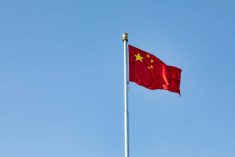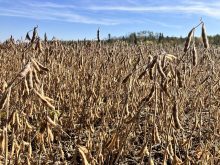
Beijing/Singapore | Reuters — China’s most active Zhengzhou rapeseed (canola) meal futures fell on Monday, hovering near their lowest point in more than two weeks, as news of Prime Minister Mark Carney’s visit to China this week boosted sentiment around a potential canola-related deal.
The most-active rapeseed meal futures on the Zhengzhou exchange slipped 0.38 per ent to 2,334 yuan (C$464) per metric ton as of 3:41 GMT, extending losses into a third straight session.
WHY IT MATTERS: Traders anticipate Carney’s visit to China could mean movement on the trade battle over electric vehicles, canola and other agricultural goods.
Read Also
Olymel parent company sees increased earnings in 2025
Meat processor Olymel recorded sales of nearly $4.9 billion in 2025 helped by strong pork and chicken markets said parent company Sollio Cooperative Group.
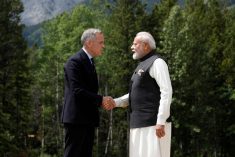
Carney was expected to visit China from January 13 to January 17, his office said on Wednesday, in what would be the first visit by a Canadian prime minister since 2017.
“Carney’s visit fuelled market expectations that Canada could suspend additional tariffs on Chinese goods for a year, potentially prompting China to also pause its 100 per cent tariffs on Canadian rapeseed oil and meal,” said Zhang Deqiang, an analyst at Shandong-based Sublime China Information.
Expectations of increased supply weighed on prices, Zhang added.
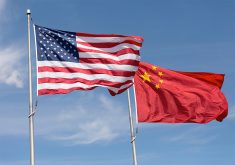
China unveiled tariffs in March on more than C$3.6 billion worth of Canadian agricultural and food products, including canola oil and meal, in retaliation for levies imposed by Ottawa in October on Chinese-made electric vehicles and steel and aluminum products.
Beijing imposed preliminary duties of 75.8 per cent on Canadian canola seed imports in August, though a final ruling could result in a different rate or overturn the decision.
Canada, the world’s largest exporter of canola, shipped nearly C$5 billion worth of canola products to China in 2024, about 80 per cent of which were seeds. The steep duties on canola seed, if they remain in place, would probably all but end those imports.
Canola, or rapeseed, is crushed to produce cooking oil and other products. The meal left behind in the crushing process is used as livestock feed.
“A recent rally alongside soybean meal last week has also prompted a pullback in rapeseed meal prices this week,” said Rosa Wang, an analyst at Shanghai-based agroconsultancy JCI.
— Reporting by Ella Cao in Beijing and Naveen Thukral in Singapore