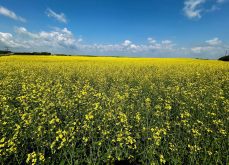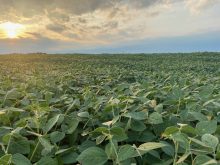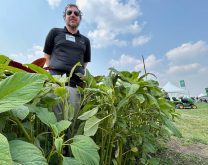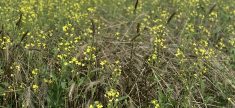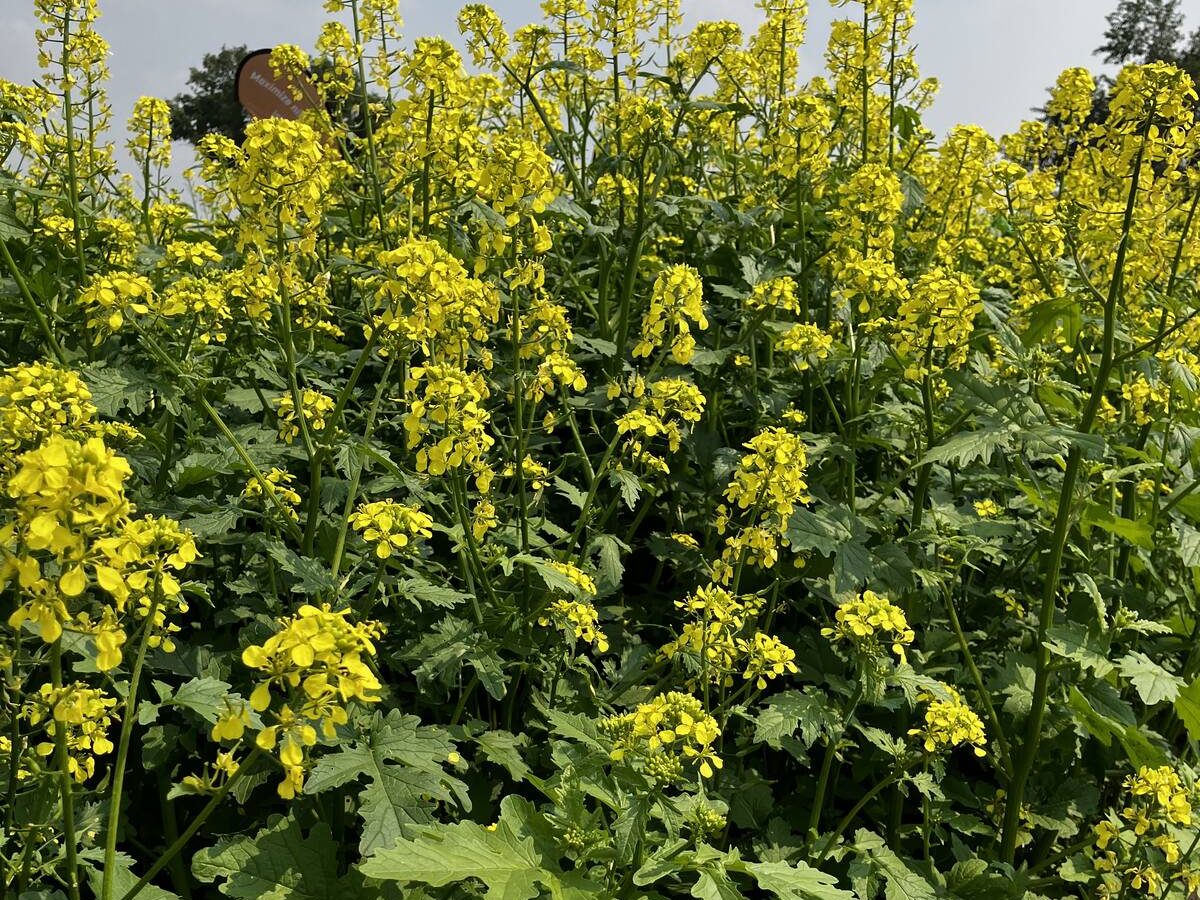
The spectre of InVigor Gold loomed large over mustard industry meetings in Saskatoon this month as farmers and processors addressed the threat of the new canola hybrid.
They don’t know if they can stop it, but they do aim to try.
“We know at the end of the day it’s going to destroy the condiment mustard industry in Canada, that that’ll be the end of it,” said Rick Mitzel, chief executive officer of Mustard 21 and executive director of SaskMustard.
Read Also
Corn research looks for Manitoba-based weed control
Manitoba corn growers rely on U.S. or Ontario weed control recommendations. University of Manitoba researchers are developing weed control advice with Manitoba field conditions in mind.
Industry has been meeting with the Canadian Food Inspection Agency, Agriculture Canada and BASF, which announced last June it was going to introduce the crop in the United States in 2027 and in Canada a couple of years later.
WHY IT MATTERS: InVigor Gold is a genetically modified LibertyLink-resistant crop, which the European market won’t accept. Although BASF has called it a yellow canola, it is actually a brassica juncea, or from the mustard family, and not brassica napus, which is the canola grown in Western Canada.
Sask Mustard officially opposes the introduction of InVigorGold.
In December, it issued a news release and letter to producers to draw attention to what it called a critical threat from the crop. Saskatchewan supplies about 80 per cent of Canada’s mustard and 50 per cent of global supply.
Sask Mustard, Mustard 21 and the Canadian Mustard Association strongly disagree with BASF’s assertion the technology won’t negatively affect mustard producers, they said.
“The introduction of a GM B. juncea crop threatens to irreversibly contaminate Canada’s non-GM mustard supply through expected gene flow within a single species,” they said.
“This would destroy the trust we have built with international buyers, particularly in the European Union and Japan, who rely on the guaranteed non-GM status of Canadian mustard seed.”
French’s and France
In an interview, Mitzel said the next step is to consult with companies such as McCormick and others to gain their support.
In December he went to France to meet with four major processors that control about 80 per cent of the mustard in Europe. Some of them attended the recent mustard meetings online and are planning a trip to Saskatchewan this summer.
“They’re very concerned about it,” Mitzel said.
“They don’t want to lose the Canadian supply because it’s such high quality. They did tell me that 50 per cent of the mustard they buy comes from Canada. They’re not backing down on GMOs.”
The French would be faced with buying lower-quality crop from competitors such as Russia, Ukraine and Kazakhstan if Canada couldn’t guarantee GMO-free. That would cause milling issues, Mitzel said.
During the meeting, Kacy Gehring from Mountain States Oilseeds said U.S. farmers are also concerned. The first effects of possible contamination will be seen there and could limit their markets.
She asked if pressure from U.S. signatories would help the Canadian cause.
Others at the meeting likened their fight to a “David and Goliath” situation and wondered how they could possibly take on a huge company with far more money and people. They noted the similarity to when Triffid flax appeared years after the GM variety had been discontinued, resulting in expensive testing.
Howard Love, crop breeder for Mustard 21, said the crop is “absolutely not” canola. He discussed the science behind InVigor Gold’s development and how contamination could occur.
Contamination won’t be a problem in year one but will take a few years to develop, he said.
‘The right reasons’
In Canada, BASF would be targeting the brown soil zone where about 80 per cent of Saskatchewan mustard is grown, said Sask Mustard chair Norm Hall. Cross-pollination is a huge concern.
CMA chair Dave Macfarlane said his members see the threat based on Triffid and also from a 2009 finding of GM canola in European mustard. That incident led to testing as well.
He said the industry doesn’t know if the EU would allow similar testing protocols if InVigor Gold is approved.
Some growers asked what support they have from oilseed producers. Mitzel said the Canola Council of Canada appears “very much on side with what BASF is doing. They feel they need this product to continue to grow canola.”
During the SaskOilseeds meeting, chair Dean Roberts said his organization does not have an official position.
“Right now we’re gathering as much information as we can,” he said.
He said they have to be aware of what it means to come out against an innovation, particularly when a company is willing to invest in research and development.
“If we were to say no, we want to be sure we’re saying no for the right reasons, but we also want to be aware of the impacts those decisions could have on other markets,” he said.
“One hundred per cent, we’ve got our eye on it.”
The mustard industry is pinning its hopes on the CFIA and its regulatory process. Although often seen as burdensome, both Mitzel and Macfarlane said in this case that system is their best bet to save their sector.