After years of missed targets and unrealistic promises, Canada’s hemp sector is taking a hard look in the mirror.
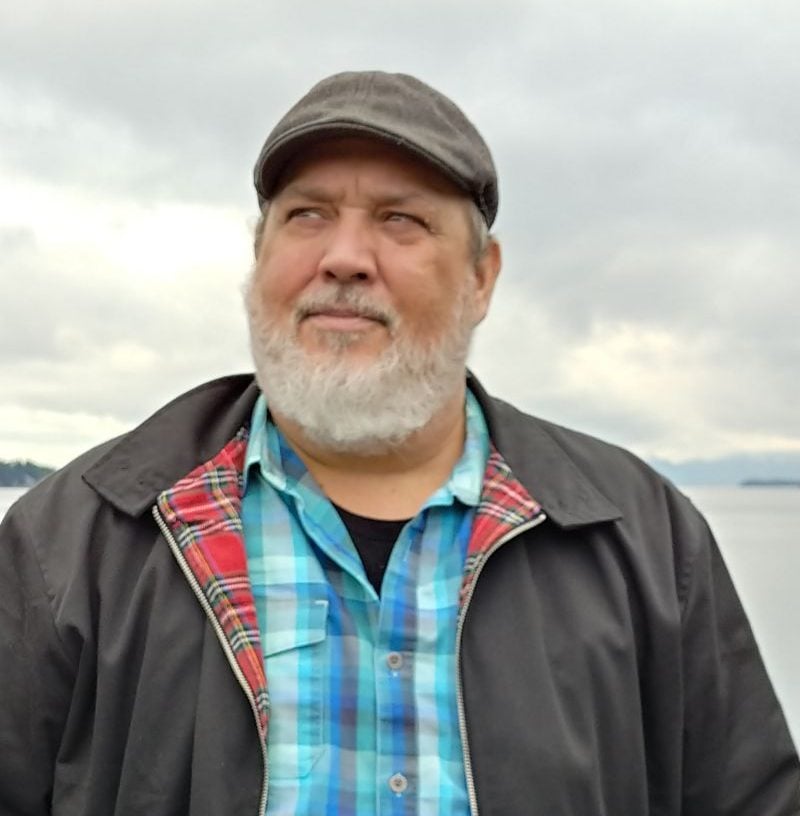
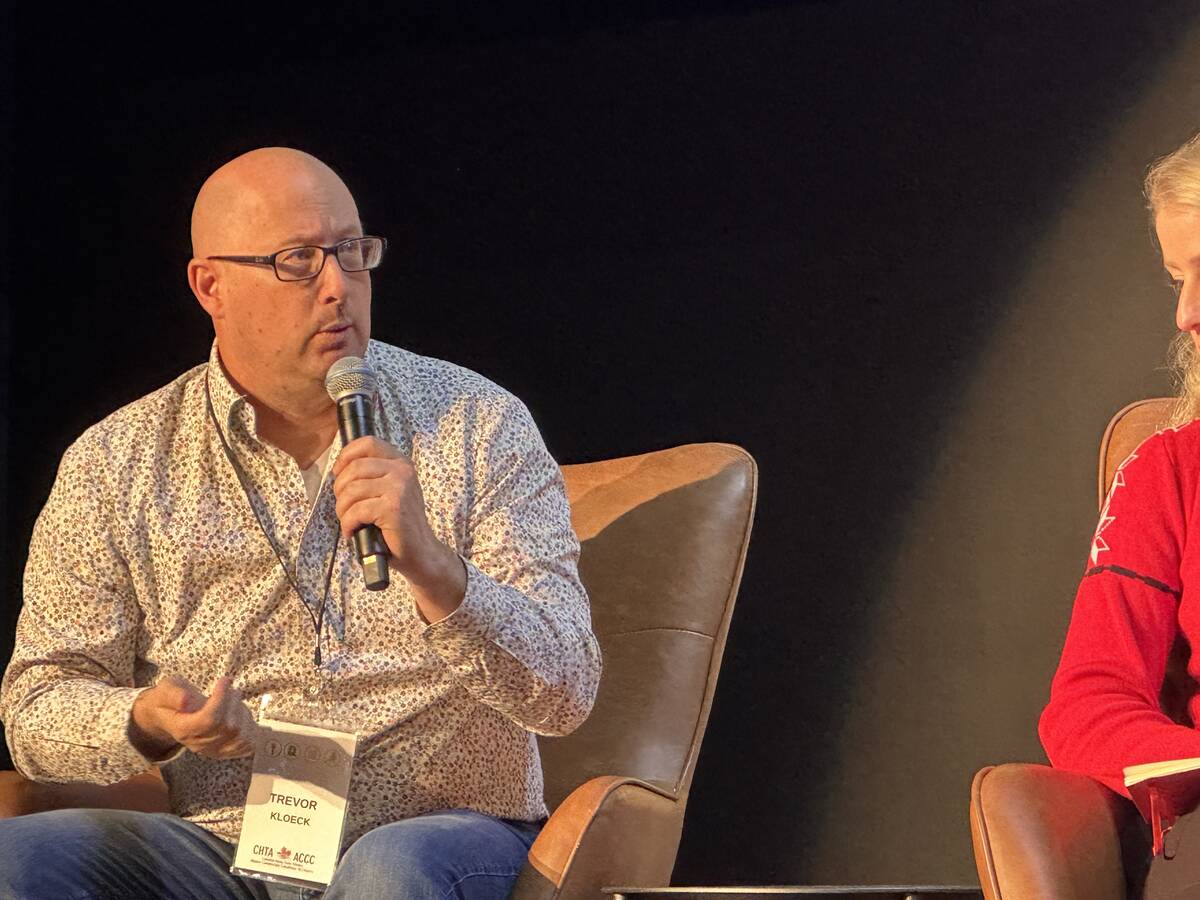
At the 2025 Canadian Hemp Trade Alliance (CHTA) annual conference in Winnipeg in November, one of the clearest messages came from agronomist and biologist Trevor Kloeck, who warned that hemp evangelism has done real damage to the crop’s credibility.
Why it matters: Realistic expectations help farmers match hemp to the fields and management it needs to perform.
Read Also
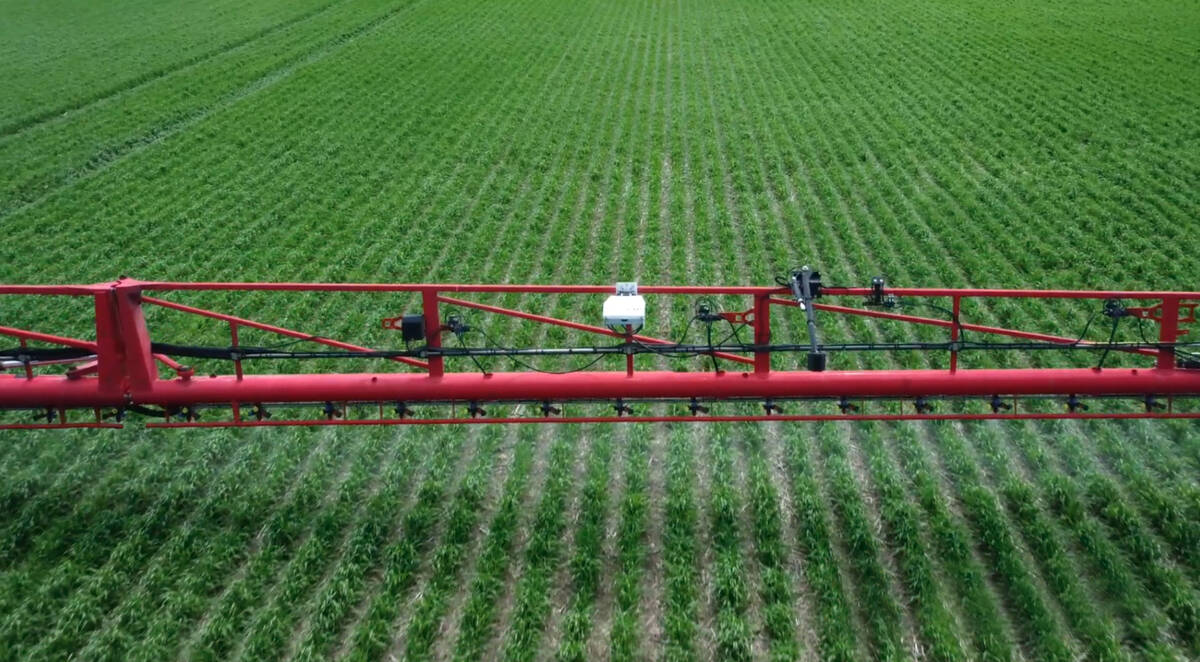
Croptimistic’s SWAT Cam maps one million acres in Western Canada
Croptimistic’s SWAT Cam has mapped more than one million acres, using sprayer-mounted cameras to generate crop and weed maps that support in-season analysis and future management decisions.
Kloeck, president and co-founder of Plantae Environmental, spoke during the conference’s Hemp Resiliency Workshop. He said the industry has long struggled to temper the optimistic zeal of some of its supporters.
“I think it was all very innocent,” he told Grainews. “As real opportunities emerged, that optimistic voice got very loud and drowned out the sober, business-minded voice.”
Early messaging often leaned heavily on broad claims that the crop required little management, could be grown anywhere or would naturally outperform other rotations. It’s easy to see why early adopters were drawn in by the promises, but the moment boots hit the dirt, farmers learned some hard lessons about the crop.
“Hemp isn’t a crop you can plant and forget about,” said Kloeck. “It responds to good agronomy better than most crops, but it will also punish bad agronomy more severely.”
That gap between expectation and reality shaped farmer perceptions early on. Many growers who tried hemp in the 1990s and early 2000s found the crop rarely lived up to the hype. Harvest challenges, fibre wrapping, fertility needs and inconsistent markets all contributed to a Prairie-wide sense of disappointment that the industry still contends with today.
A legacy of boosterism
Part of the challenge for the hemp sector is that enthusiasm around the crop often outpaced the industry’s ability to deliver. For instance, initial claims that hemp would rapidly replace plastics, concrete and a long list of industrial materials weren’t grounded in reality, said Kloeck. Hemp does have wide potential, but the promises came faster than processor demand, market development and regulatory progress.
“Making products from hemp and making a business out of hemp are different things,” he said. “We forgot that we were also building the bones of a new industry.”
That pattern resurfaced during the 2018 CBD bubble. After the U.S. legalized hemp, thousands of U.S. growers rushed into CBD production, many encouraged by promotional campaigns promising quick profits.
But extracting CBD turned out to be difficult, the market wasn’t ready, and the hype collapsed as quickly as it began. Many growers were left with unsold biomass, financial losses and a lingering bad taste in their mouths.
Kloeck said evangelism hasn’t only misled farmers, it’s affected high-level business relationships too. He described working with a major multinational company, one large enough to “write a $5-billion cheque without going to the bank,” that was interested in hemp fibre.
When the company asked for carbon-offset data, Kloeck’s team provided measured, defensible figures. But the company came back comparing those numbers to claims made by another supplier — claims Kloeck said were “mathematically impossible.”
For Kloeck, it was a clear example of how overstatements can hinder opportunities rather than accelerate them. That unrealistic pitch skewed expectations and made it harder for legitimate suppliers to compete.
A shift toward realism
Kloeck believes a reset is underway. Processors, researchers and growers have made steady gains in agronomy, harvesting methods and product development. But rebuilding trust means being open about the crop’s limitations as well as its potential.
The way forward, he said, is to treat hemp as a premium, management-intensive crop, something closer to malt barley than a low-effort rotation filler.
“You don’t grow malt barley everywhere,” he said. “You grow it on selected fields, and you manage it carefully. That’s how we have to think about hemp.”
Hemp’s long-term potential is still significant. Kloeck noted it can fit well in Prairie rotations when matched to the right soils, management and markets.
The CHTA is reporting that fibre demand is slowly increasing, feed registrations continue to move through regulatory channels and food-grade seed production remains steady. But continued growth depends on avoiding the overstatements that once clouded public messaging.
“The potential is so good we don’t have to embellish,” he said. “We have an opportunity to build a multi-billion-dollar sector without getting into those nebulous areas. It’s part of the solution, not the whole solution.”
Back to basics
For Prairie farmers, Kloeck said the message is straightforward: hemp can be a profitable crop, but only under the right conditions and with realistic expectations. Matching fields, selecting the right genetics, planning for harvest and securing reliable contracts remain essential steps.
“Hemp has a legitimate opportunity to offer farmers better returns than canola, given time,” he said. “But we have to be sequential. We have to get there in steps.”