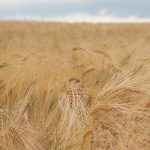
File photo of a sunrise over an Alberta barley crop. (MNphotography/iStock/Getty Images)

Alberta Crop Report: High temperatures damage crops

Major crops were rated at 55.3 per cent good to excellent, down from 72.9 per cent the previous week. The south region’s crops were rated 77.2 per cent good to excellent, while the northeast region was at 62.5 per cent and the Peace region was at 57.3 per cent. Conditions in the northwest region fell to 37.7 per cent and the central region dropped to 32.4 per cent, for declines of 40.1 and 29.8 points, respectively.

Domestic producers crushed 861,671 tonnes of oilseeds in June, an increase of more than 40,000 tonnes from June 2023.  Photo: Canola Council of Canada

Oilseed crush, grain deliveries up year-by-year

The amounts of Canadian oilseeds crushed, as well as those for grains delivered, saw slight increases compared to the year before, according to Statistics Canada (StatCan). Domestic producers crushed 861,671 tonnes of oilseeds last June, more than the 821,292 crushed in June 2023. The June canola crush was reported to be 776,354 tonnes, with 334,909 […] Read more


Photo: SusanneSchulz/iStock/Getty Images

Cereals withstood storms better: CCHA

Approximately 1,000 crop damage claims made from storms between June 23 and July 1

“Numerous early season storms have resulted in a number of claims for the industry,” CCHA Chairman Scott McQueen of Palliser Insurance said in a statement. “Cereals have generally fared better as many were hit in the grassy stages of development and minimal damage to the plant was caused with environmental conditions being favourable so that crops that were hit by hail are able to recover.”


Grey skies over the Alberta landscape, July 2023. (Geralyn Wichers photo)

Alberta Crop Report: Variable weather fails to dispel crop growth

Crop conditions across the province were rated at 72.9 per cent good to excellent, better than the five-year average of 68.8 per cent and the 10-year average of 70.2 per cent. The central region had the best rating at 78.2 per cent, followed by the Peace region at 75.7 per cent and the south region at 73.9 per cent, all above both historical averages. The northeast region was at 70 per cent, below its averages, while the northwest was in line with its average at 61.8 per cent.