

No matter what you’re planning to grow this season — be it soybeans, canola or pulses — protecting that crop from Rhizoctonia and ensuring a good, strong stand establishment should be your first priority.
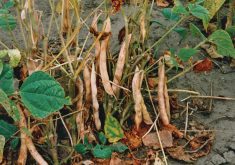
I’ve seen many situations where Rhizoctonia infections in fields have caused seed rot and decay, pre and post emergence damping off, and even seedling blight after the crop has come out of the ground.
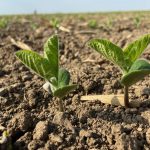
That’s why I say it all comes back to getting a good stand establishment so you can set the stage for yields in the fall.
Read Also
Selecting IDC-tolerant soybeans doesn’t reduce yield, Manitoba study confirms
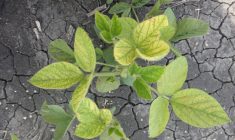
University of Manitoba research shows soybean varieties selected for iron deficiency chlorosis (IDC) tolerance protect yield in affected areas without reducing performance elsewhere in the field.
Seed treatments are an important tool for optimizing that stand establishment and protecting plants from soil borne diseases and early season insect pests.
If you can protect that seedling early in the season, you’re also supporting the growth of properly developed roots that anchor the plant in the soil, take up nutrients more efficiently and help your crop out-compete nearby weeds.
Your fertility program and weed management program will also be based around that stand and what yield potentials you can expect to get in that year. And the better the crop potential you have, the more you are going to want to keep that investment going and maximize your returns.