


Chicago | Reuters — Michigan on Monday said Canada geese in the state tested positive for a lethal strain of bird flu, bringing the worst outbreak of the disease in U.S. history to a 21st state.
Three young geese collected at Sterling Heights, Mich., about 35 km north of Windsor, Ont., were infected with the highly pathogenic H5N2 avian flu strain, according to the Michigan Department of Natural Resources.
The state is now focusing on preventing the spread of the disease to poultry, director Keith Creagh said.
Read Also
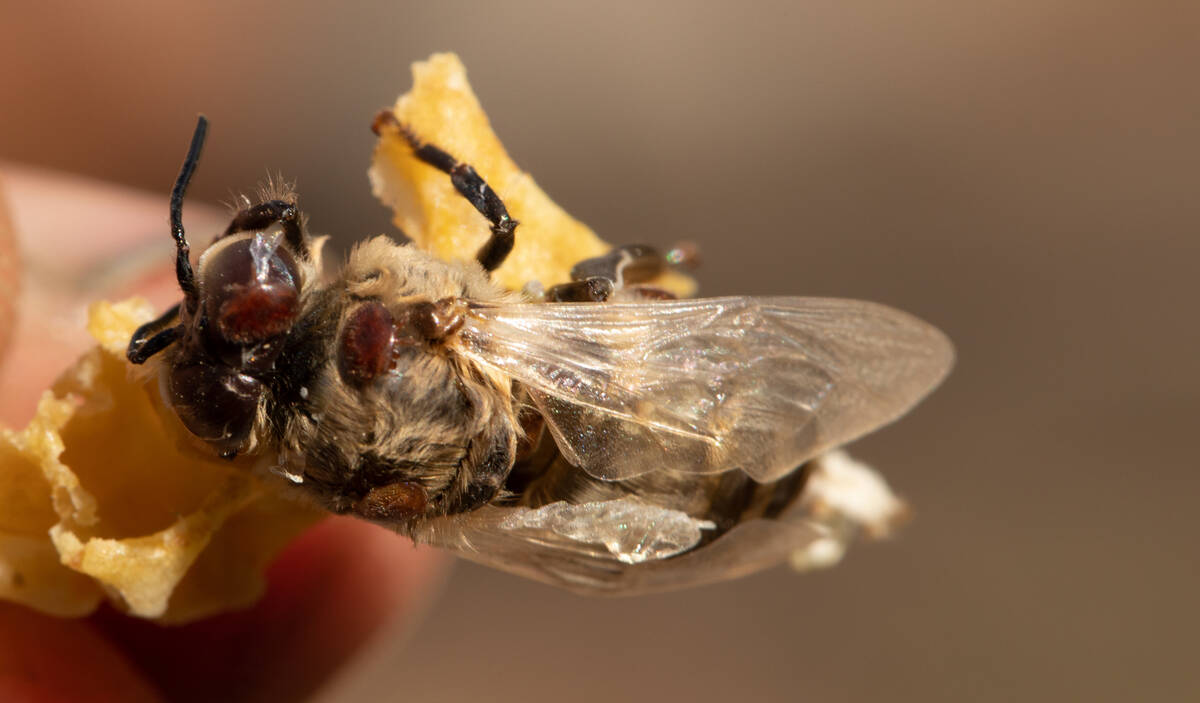
Southern California honeybees show resistance to varroa mites
Regionally-adapted honeybees in southern California show natural resistance to varroa mites, according to new research from University of California Riverside.
Nationwide, more than 46 million chickens and turkeys have been killed by the disease or culled to prevent its spread. Most are in Iowa, the top U.S. egg-producing state, and Minnesota, the nation’s top turkey-producing state.
Michigan is the 21st state to confirm a case of bird flu since late 2014 and the sixth to detect it only in wild or free-ranging bids, according to the department. Fifteen states have found the virus in poultry flocks.
The discovery of the disease in Michigan was “not unexpected given avian influenza has been found in a number of our neighbouring states and Ontario,” said Jamie Clover Adams, director of the Michigan Department of Agriculture and Rural Development.
Ontario confirmed H5N2 in commercial poultry in April at three farms — all in Oxford County, about 180 km east of the Ontario/Michigan border at Sarnia — with no new cases reported in the province since then.
Wild birds are thought to be carriers of the virus, which also can be tracked onto poultry farms by people or trucks that come into contact with contaminated feces. It may also be carried into poultry barns by wind blowing in contaminated dirt or dust.
— Reporting for Reuters by Tom Polansek. Includes files from AGCanada.com Network staff.