Chicago | Reuters—Chicago Mercantile Exchange (CME) lean hog futures ticked down on Monday as the Mexican peso fell, making it more expensive for Mexican importers to purchase U.S. pork.
Mexico, the biggest export market for U.S. pork, saw the peso close at its weakest to the dollar since November after the country’s ruling party scored a surprisingly strong election result.
“There’s a hiccup on the demand side of the equation,” independent livestock trader Dan Norcini said. “Hogs were met immediately with selling pressure.”
Read Also
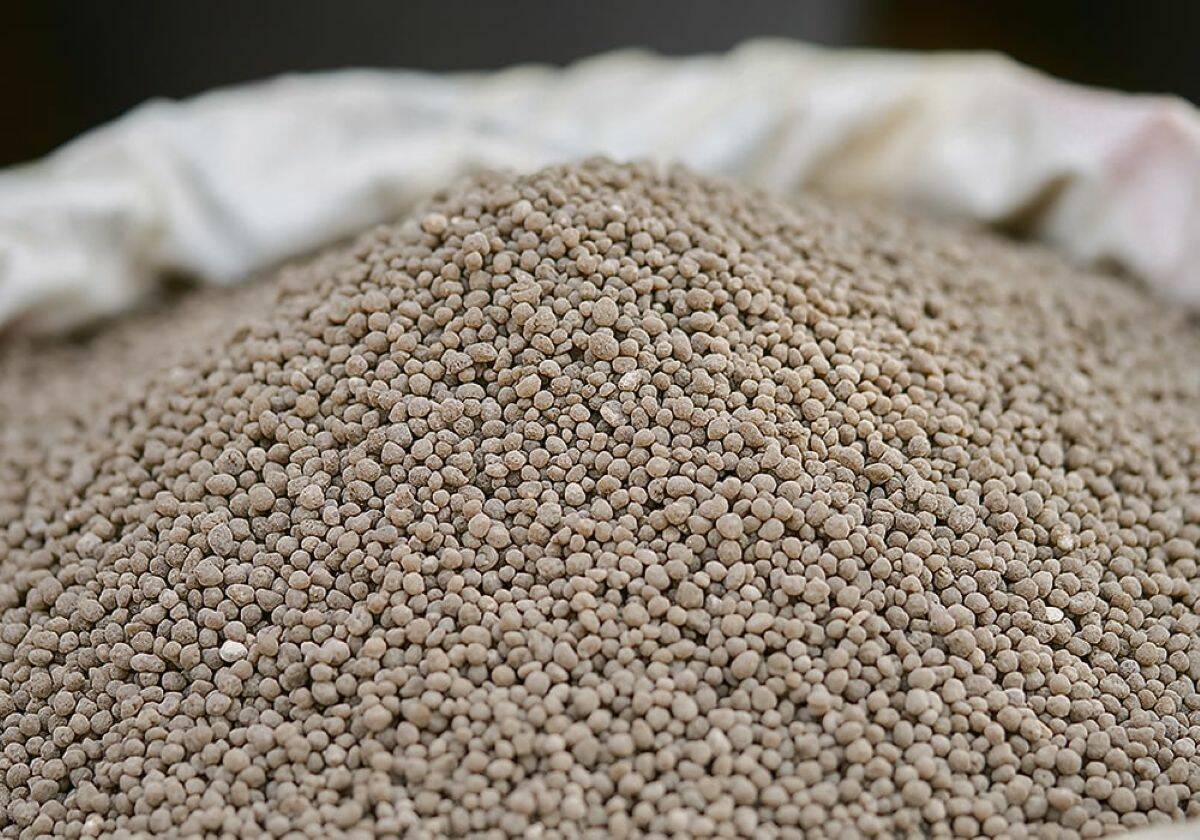
Moroccan fertilizer maker OCP expects output to drop 30 per cent in Q2, sources say
State-owned Moroccan phosphates and fertilizer producer OCP expects its output of soil nutrients to fall by about 30 per cent in the second quarter due to maintenance works.
Pork cutout values fell across the board, with ham values declining as one of Mexico’s most imported items, Norcini said.
Most-active CME July hog futures LHN24 ended down 0.85 cent at 96.275 cents per pound.
Live cattle futures ticked up as traders eyed summer demand for U.S. beef.
CME August live cattle LCQ24 closed up 0.425 cents at 178.875 cents per pound, while June live cattle LCM24 settled up 0.475 cent at 182.025 cents per pound.
CME August feeder cattle FCQ24 settled down 0.2 cent at 256.200 cents per pound.
With Memorial Day in the past, traders are assessing whether grocers have done the bulk of their buying or if more is yet to come throughout the summer grilling season, Norcini said.
“Cattle is a tug of war about whether seasonal beef demand has peaked out,” he said.
Boxed beef prices jumped. However, lower cash prices for cattle last week added bearish sentiment to the futures market, Norcini said.