

The agencies developing agri-food traceability systems for Ontario and Quebec have signed a deal to exchange information on premises identification.
OnTrace Agri-Food Traceability and Agri-Tracabilite Quebec (ATQ) announced Thursday that their deal will allow them to “seamlessly share information about premises that are involved in movement of agri-food products between Quebec and Ontario,” according to OnTrace CEO Brian Sterling.
Premises identification, which allows for unique ID for farm and agri-food premises, is a “basic requirement” for food traceability, the two agencies said.
Moreover, Sterling said, “This agreement opens the door to stronger and more mutually beneficial working relationships between the stakeholders in those provinces that are served by ATQ and OnTrace.”
Read Also
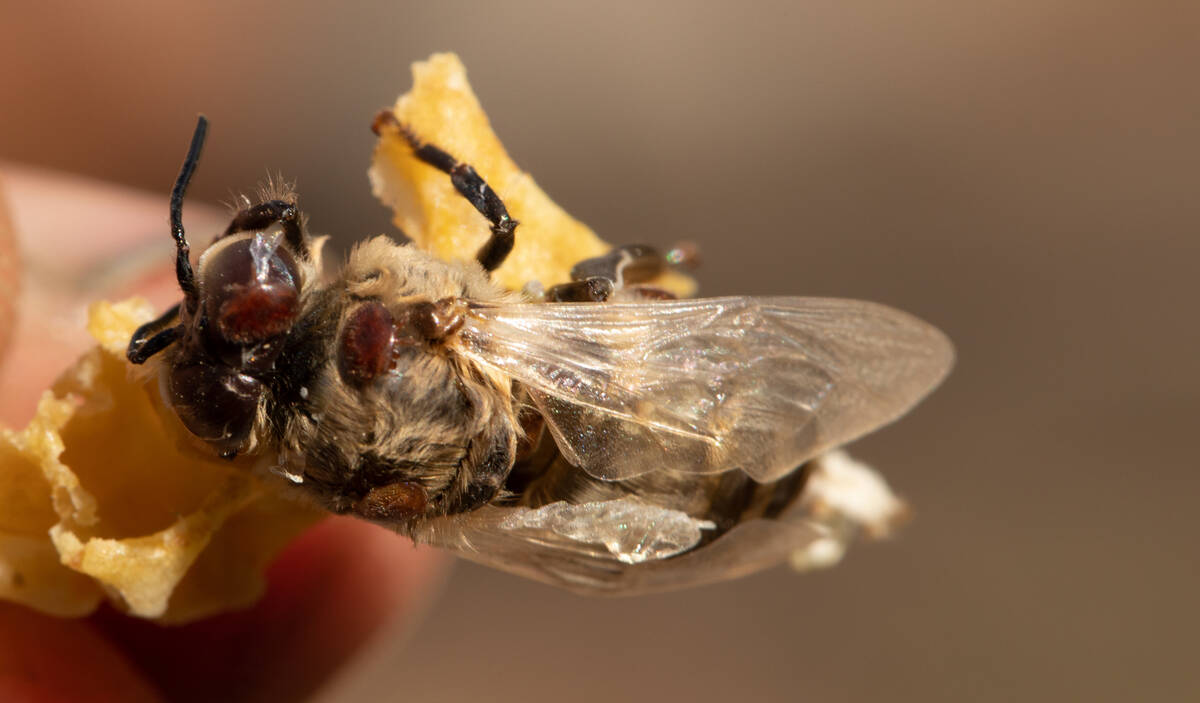
Southern California honeybees show resistance to varroa mites
Regionally-adapted honeybees in southern California show natural resistance to varroa mites, according to new research from University of California Riverside.
Specifically, he said, “in the future, it will be possible to streamline the exchange of commercial transactions by using premises data contained in our provincial systems.”
Through this agreement, OnTrace and ATQ are opening the way for the development of a truly national traceability structure,” ATQ general manager Linda Marchand said in the same release.
“This is the first inter-provincial agreement between the two current provincial traceability services providers,” the two agencies said in their release. “It is noteworthy because it lays the groundwork for increased rapport and co-operation between the respective organizations; and for more effective co-ordination of a national response to emergencies relating to agriculture and agri-food products.”