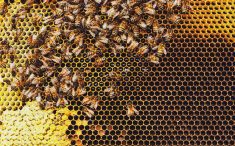
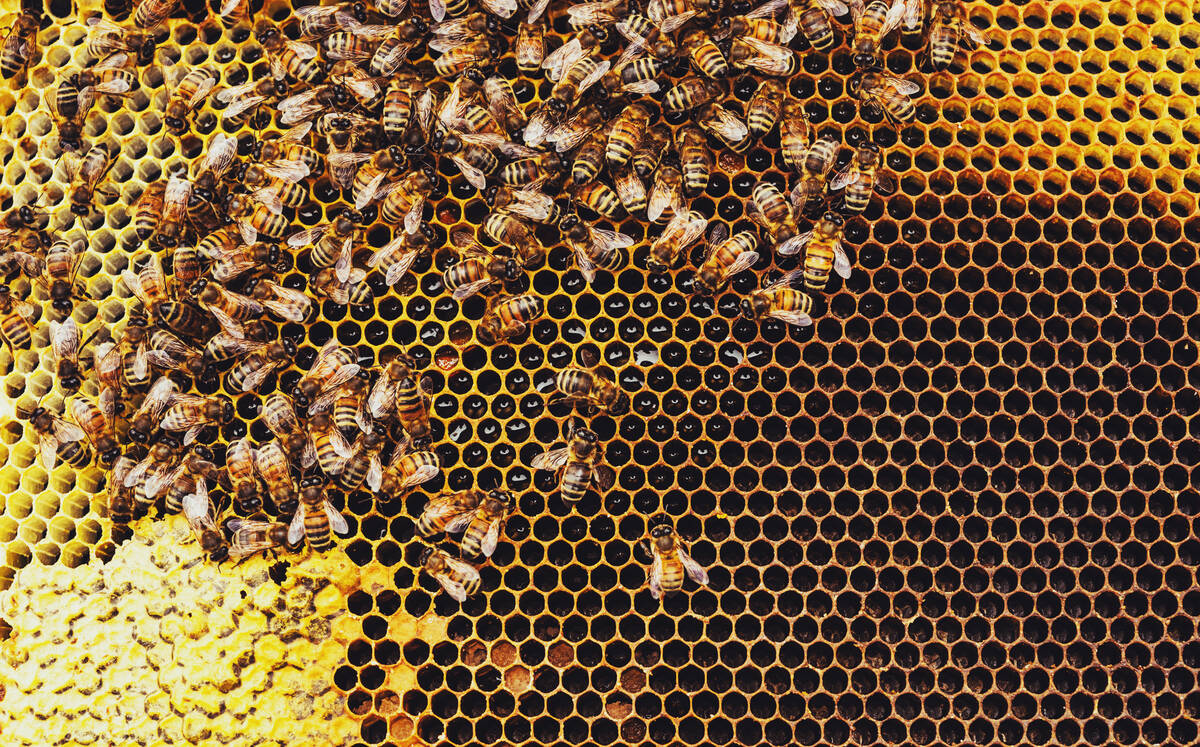
Extreme heat can overcome the ability of honey bees to regulate the temperature in their hives, which can threaten young bees and shorten the lifespan of adults, according to recent research out of Arizona.
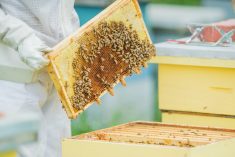
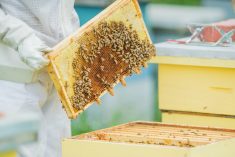
The study followed nine honey bee colonies during a “particularly hot” Arizona summer to assess the limits of the bees’ ability to control the hive’s temperature according to a release from the University of Chicago Press Journals.
Honey bees maintain their hive temperature between 32°C and 36°C, according to Oregon State University’s extension service. Outside that temperature window, bee larvae and pupae won’t develop and may die.
Read Also
China urges hog producers to manage output, vows timely reserve adjustments
China’s state planner on Friday said authorities will make timely adjustments to hog reserves and continue to strengthen the management of hog production capacity.
When the temperature inside the hive gets too hot, the bees line up at the entrance and fan their wings. Other bees will also bring water to the hive to assist with cooling.
Temperature swings
In the study, researchers found that while the bees were able to keep the average temperature around their brood within the acceptable range, the temperature inside the hive still swung widely throughout the day. Developing bees in the centre of the brood experienced about 1.7 hours below the optimal range and 1.6 above the range per day.
Young bees toward the edge of the brood saw nearly eight hours per day outside the safe temperature window.
Larger colonies were better able to regulate temperature than small ones.
Colonies exposed to higher peak air temperatures and greater internal temperature swings saw their populations decline, the researchers found. They concluded that temperatures exceeding 40°C can impair the hive’s ability to regulate temperatures.
This could also shorten adult bees’ lifespan.
The authors of the study noted that extreme heat events are expected to be come more common due to a warming climate.
To help bees regulate temperature, the researchers suggested placing hives in shaded areas, improving hive design and insulation and providing supplemental water. Access to high quality forage may also become increasingly important, they added.