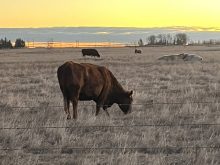
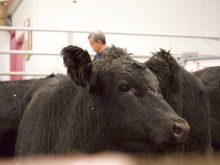
A 13-year-old beef cow from Alberta was confirmed Tuesday as Canada’s latest case of mad cow disease (BSE).
The Canadian Food Inspection Agency (CFIA) reported that the animal’s carcass is under CFIA control and no part of it entered the food or feed system.
The agency also assured in a press release that this case will not affect Canada’s status as a “controlled risk” country as categorized earlier this year by the World Organization for Animal Health (OIE).
The case marks Canada’s 11th confirmed case of bovine spongiform encephalopathy, without counting a case found in Washington state in late 2003 that was traced to an Alberta farm and is usually credited to Canada.
Read Also

Chinese pig farmers test fermented feeds as Beijing weans sector off U.S. soy
Chinese hog farmers are turning to fermented feeds and other avenues to save money and move away from U.S. soybeans.
Tuesday’s announcement also marks Alberta’s eighth case of BSE, including Canada’s first case in 2003. Two other cases were found in British Columbia’s Fraser Valley and one was in Manitoba.
CFIA noted that the case confirmed Tuesday was born before the implementation of Canada’s ban on ruminant-to-ruminant feeding in 1997. The ban was tightened in July this year to keep specified risk materials (SRMs, the nervous system tissues known to harbour the BSE protein in infected animals) out of all foods, pet foods, livestock feeds and fertilizers.
CFIA said it expects to detect a “small number” of cases over the next 10 years as Canada moves closer to its goal of eliminating BSE from its cattle herd.
The agency now moves into the usual investigation mode to identify the cow’s birth herdmates and the pathways by which it might have become infected.