Ottawa | Reuters — Canada’s annual inflation rate in January accelerated at a slower pace than the previous month as a big drop in gasoline prices helped cushion the impact of higher food and clothing prices, Statistics Canada said on Tuesday.
The consumer price index rose 2.3 per cent in January compared with 2.4 per cent in December, beating an analysts’ poll which pegged January’s expected rise in consumer prices at 2.4 per cent.
On a monthly basis, the CPI was unchanged from the prior month, data showed.
Read Also

New strategies needed for Canadian agriculture to stand out in global trade
Canada may need new strategies to stand out as issues like tariffs, conflict in the Middle East and loss of faith in the World Trade Organization changing the face of global trade.
Gas prices decline by 16.7 per cent
The gasoline price index was the largest contributor to the deceleration in headline inflation, StatsCan said, as the yearly decline in gasoline prices was huge.
Prices at gas pumps fell on average 16.7 per cent in January, after a decline of 13.8 per cent in December. But, excluding gasoline, the CPI rose three per cent in January, matching the increase in December, the statistics agency said.
A sales tax break during the same period last year created an opposite base effect for some products such as food, alcohol and clothing. This pushed up the prices last month when compared with the same period a year ago.
Food prices rose 7.3 per cent, largely based on food from restaurants, and the category containing primarily alcoholic beverages rose 4.8 per cent in January.
Due to the choppy impacts of the sales tax break, economists usually focus on core inflation to ascertain the actual rise in consumer prices.
Excluding food and energy, the CPI rose 2.4 per cent year over year in January, following a 2.5 per cent increase in December, the agency said.
BoC calls inflation stable
The Bank of Canada’s preferred core measures of inflation continued to ease.
CPI-median, or the price change of the centermost component of the CPI basket when arranged in order of increasing prices, was 2.5 per cent compared with 2.6 per cent previously, while CPI-trim, which excludes the most extreme price changes, was 2.4 per cent, down from 2.7 per cent in December, StatsCan said.
Shelter costs, which account for the biggest weight in the CPI basket, continued to rise at a slower pace and rose 1.7 per cent last month from a year earlier.
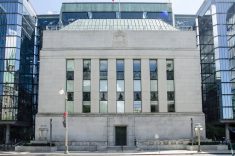
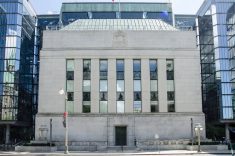
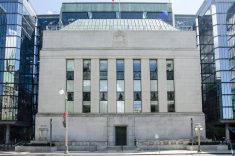
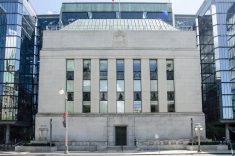
The January data come as the Bank of Canada has indicated that it considers inflation to be stable and around the mid-point of its target range. This has helped the central bank to pause rate cuts at 2.25 per cent.
“It’s clear now that Governing Council should be squarely focused on supporting the economy,” Royce Mendes, managing director and head of macro strategy at Desjardins Group wrote in a note after the inflation numbers were released.
Money markets are now pricing in a chance of a rate cut by July, although economists are still maintaining that there could be no cuts this year as inflation stays at the central bank’s target.
The Canadian dollar was trading down 0.2 per cent to C$1.3668 to the U.S. dollar. Yields on the two-year government bonds were down 3.9 basis points to 2.439 per cent.