As glufosinate resistance spreads, Prairie management decisions will determine whether Liberty remains an effective weed control tool.
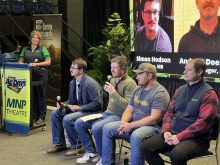
That was the core message Brendan Metzger delivered at the Manitoba Agronomists Conference.
The chemistry itself, he said, has not suddenly changed. What has changed is the cropping context around it, particularly as glufosinate moves into systems that expose management mistakes more quickly and more consistently.
WHY IT MATTERS: With glufosinate use expanding on the Prairies, careful management will matter more in slowing resistance pressure.
Read Also
Prairie on-farm research programs refine strip-trial methods for clearer results
Researchers and Prairie farmers are working to improve on-farm strip trials so results from field-scale experiments are clearer, more reliable and easier to use for management decisions.
Metzger, a senior herbicide biologist with BASF, said the risk facing Liberty is real and accelerating. Glufosinate resistance has already emerged in other regions, and Prairie farmers are now using the product in crops and rotations that strip away many of the safeguards that once kept resistance at bay.
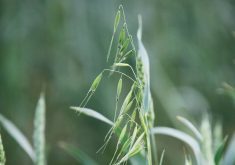
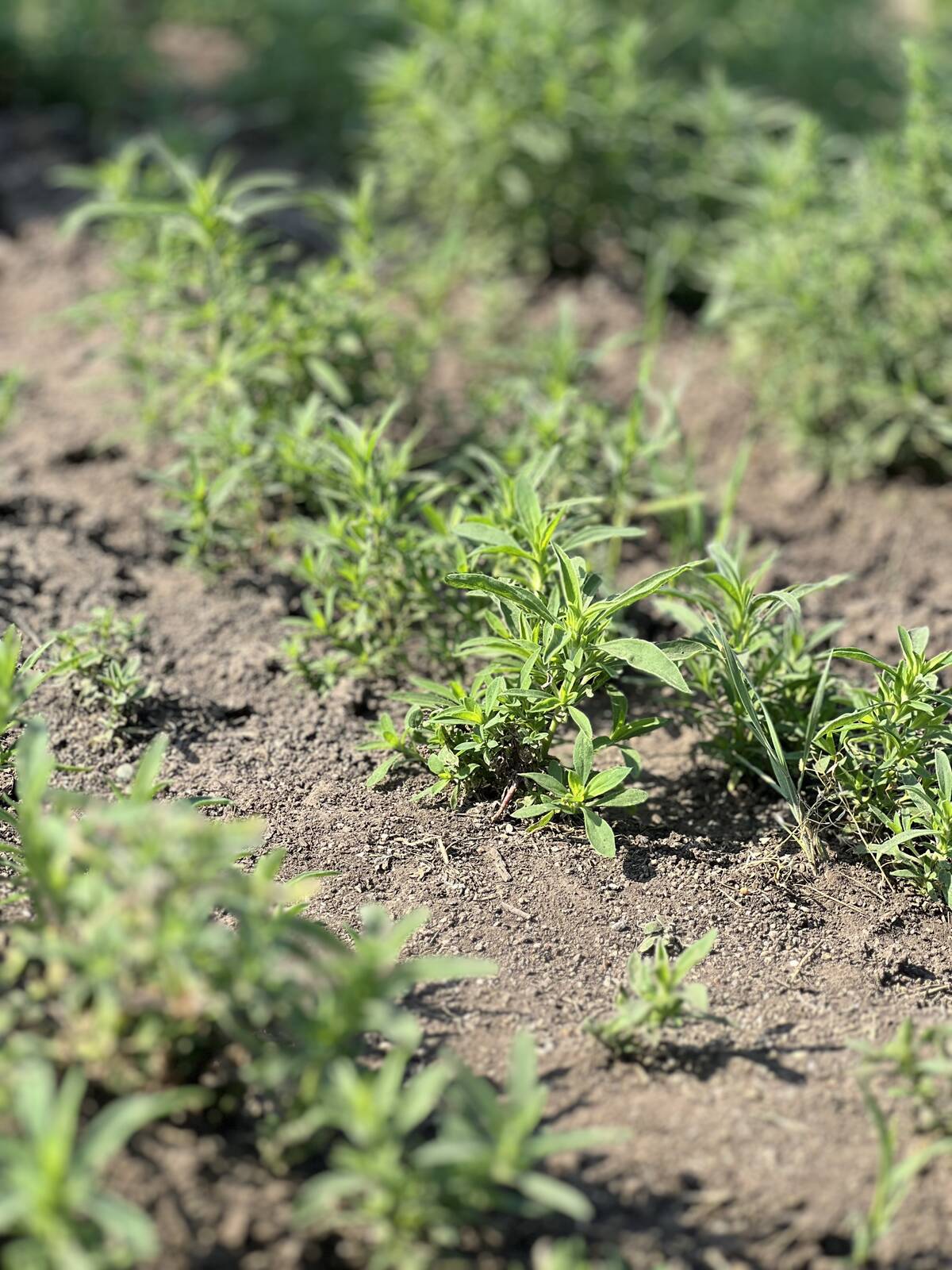
Reports of glufosinate-resistant waterhemp in several U.S. Midwest states, and kochia escapes being reported in North Dakota, suggest resistance is now close at hand.
Liberty still works, he said, but the margin for error is narrowing.
Longevity so far
To understand why management now matters so much, Metzger first walked agronomists through why glufosinate avoided resistance for so long in Western Canada, especially when compared to glyphosate.
Glufosinate was introduced in the mid-1990s, at roughly the same time glyphosate-tolerant crops entered the market. Yet while glyphosate resistance emerged relatively quickly, Liberty avoided that outcome for nearly 30 years.
“It’s been largely a success story,” Metzger said.
“There’s been no documented cases of resistance to glufosinate in Western Canada.”
He said that longevity had little to do with glufosinate being inherently resistance-proof. Instead, it reflected how and where it was used.
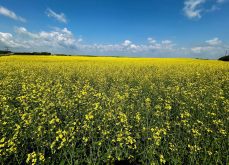
For much of its commercial life, glufosinate lagged behind other herbicides in total acres treated. Lower overall use meant lower selection pressure on weed populations. Just as importantly, most glufosinate applications in Western Canada occurred in canola.
Canola’s competitiveness played a quiet but critical role.
Rapid early growth and quick canopy closure suppressed escapes and reduced the number of weeds exposed to sub-lethal doses. That cultural weed control helped mask small mistakes that might otherwise have contributed to resistance.
“So we have the cultural weed control aspect working in our favour as well,” Metzger said.
Rotation added another layer of protection. Even in relatively simple canola–wheat systems, glufosinate was rarely applied back-to-back on the same acres. Breaking up modes of action further reduced resistance risk.
Those factors combined to give Liberty a long runway, Metzger said, but that runway is now shortening.
Less competitive
Metzger warned that as soybean acres expand, so will selection pressure on glufosinate.
While Liberty-enabled canola already accounts for a large share of Prairie acres, Metzger said the more consequential shift is happening in soybeans as seed companies move aggressively toward glufosinate-tolerant platforms across North America.
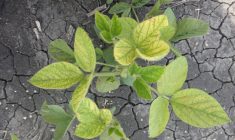
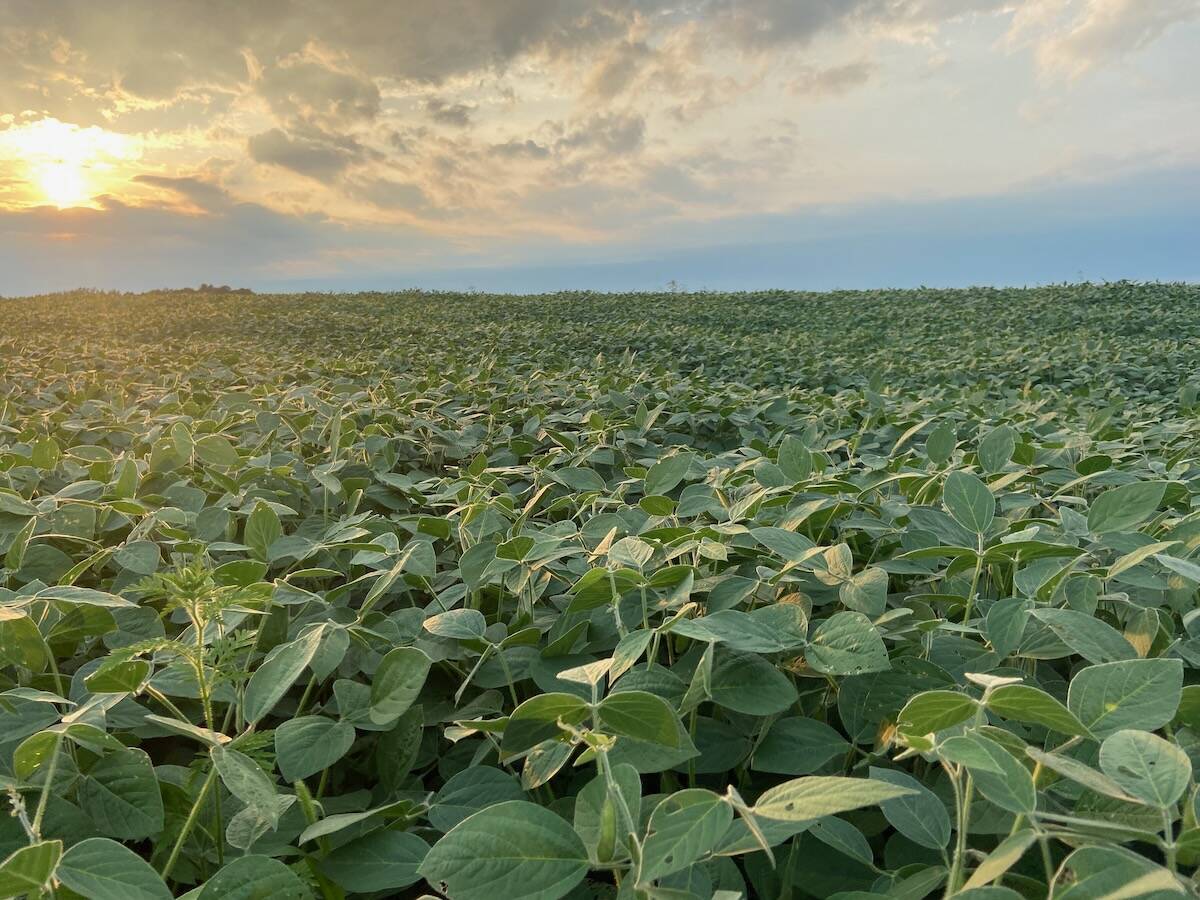
Roughly a quarter of western Canadian soybean acres are expected to be Liberty-enabled in 2026. Metzger said that expansion is being driven largely by widespread glyphosate resistance, with glufosinate long viewed as a relatively underused alternative.
Unlike canola, soybeans are far less competitive.
Wider row spacing and slower canopy closure mean fewer escapes are hidden. Weeds that survive an application are more likely to remain visible, reproduce and contribute seed back to the soil.
Corn shares some of those same characteristics. In those systems, Metzger said, poor management is more likely to translate directly into resistance risk.
Another concern for Liberty is that its mode of action amplifies the consequences of poor application.
Glufosinate is a contact herbicide. It only affects weeds it lands on, and those weeds must receive a lethal dose to be killed. That makes the product especially vulnerable to sub-lethal exposure.
“A sub-lethal dose, whether that means not adding enough product to the sprayer or not getting it to the target at the proper dose, can select for resistant individuals over time,” said Metzger.
Risk management
Delta T, which relates spraying conditions to air temperature and humidity, is particularly important for water-based formulations such as Liberty, said Metzger.
Compared to oil-based products, glufosinate droplets take longer to cross the leaf cuticle, increasing the risk that moisture evaporates before the active ingredient can move into the plant.
Metzger said Liberty remains an effective tool, but he cautioned against assuming it will behave the same way it did when most acres were in canola.
As more soybean and corn acres shift toward glufosinate tolerance, resistance risk will be shaped less by the chemistry itself and more by how consistently it is managed.
Coverage, timing and weed size are no longer details to fine-tune, Metzger said. They are the difference between preserving the tool and quietly selecting for trouble.
Liberty still works, but on today’s Prairie farms, it no longer forgives mistakes.