

Seed company Pioneer Hi-Bred has picked up registration for what it calls the first and only canola hybrid with genetic resistance to clubroot.
The new hybrid, 45H29, will be available this spring in a limited release, the company said in a release Wednesday.
The Roundup Ready variety gives canola growers a “genetic solution” for clubroot, which the company described as a major disease that has effectively taken large areas of land out of canola production across 14 Alberta counties.
Clubroot was discovered six years ago in several canola fields in the Edmonton area and has “spread rapidly” since then, Pioneer Hi-Bred said.
Read Also
Feed Grains Weekly: Cash prices for wheat, barley largely flat
Cash prices for feed barley and wheat continued to remain largely flat, said Susanne Leclerc of Market Master Ltd. in Edmonton.
The disease spreads mainly by the movement of soil between fields, and its spores persist in the soil for up to 20 years.
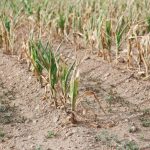
Clubroot galls develop on canola roots and starve the above-ground parts of the plant of nutrients and water, causing up to 80 per cent yield loss in an affected crop, the company said.
The company said it tested 45H29 under “heavy” disease pressure. “When the trials were evaluated, the new hybrid was shoulder height and the roots were healthy,” Pioneer Hi-Bred research scientist Igor Falak said. “We used another Pioneer hybrid without the resistance genes as a check. That hybrid was only knee-high.”
The company said it produced some 45H29 seed at its winter facility in Chile and will also include it this year in Product Advancement Trials (PAT), its wide-area field-scale trialing program for product evaluation.
“Synergies”
Getting this variety into the hands of producers so quickly was “a major feat,” the Chatham, Ont. company said, crediting partnerships with extension, researchers and government.
Pioneer Hi-Bred “realized early on how significant a problem clubroot was going to become,” said Ian Grant, president of the Iowa-based DuPont subsidiary’s Canadian wing, in the company’s release.
“We mobilized our worldwide research team and enlisted the help of some key partners to find a solution quickly. This genetic clubroot solution clearly demonstrates the depth and scope of Pioneer Hi-Bred’s research and production capabilities.”
Having such partnerships between the public and private sectors “fosters these synergies and it helps to speed things up and get products into farmers’ hands,” University of Alberta plant researcher Steve Strelkov, who tested the resistant crop lines, said in the company’s release.